
Written by Tara Parsa
A Turning Point for Human Rights
Digital freedom is no longer a luxury. It is infrastructure for democracy—and its absence can determine whether a person can mobilize, tell the truth, or even reach their families. The Iranian regime’s sweeping internet blackouts during the recent nationwide protests of late 2025 and early 2026 made this painfully clear. Overnight, 92 million Iranians were cut off from the outside world, unable to document state brutality or communicate even the most basic information to loved ones.
These shutdowns were not accidental. They were deliberate tools of repression, tools that continue to silence a movement that is fighting for a future beyond fear.
A Critical Briefing on Capitol Hill
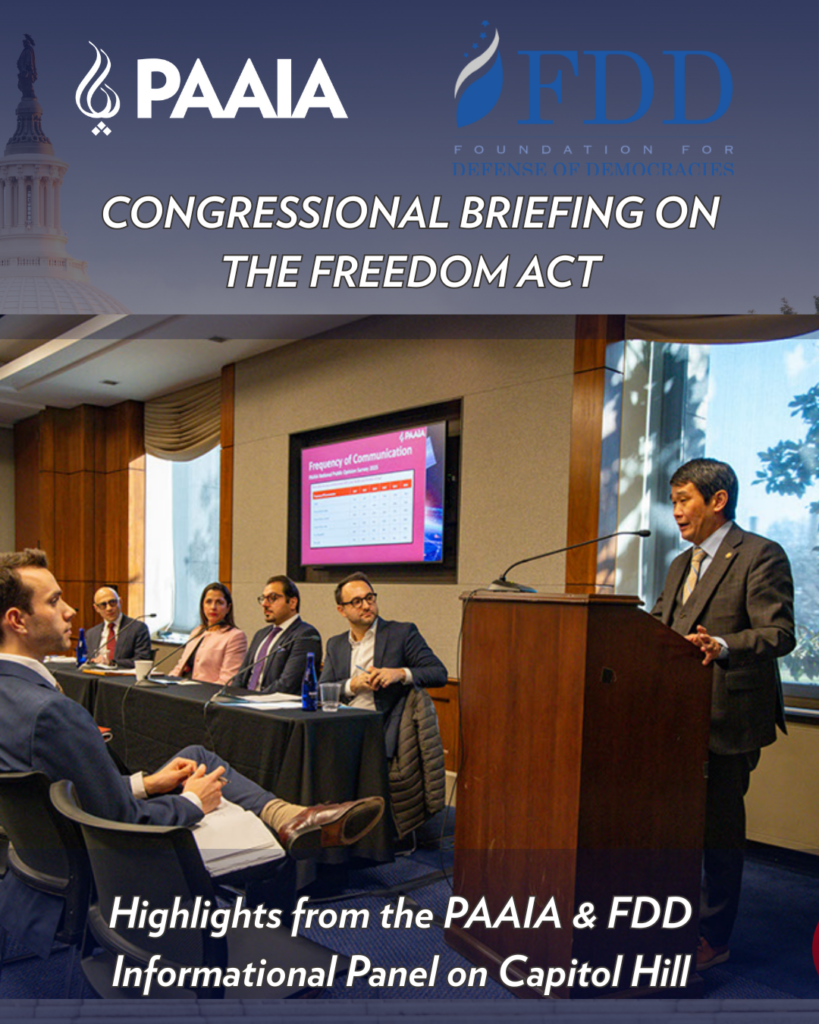
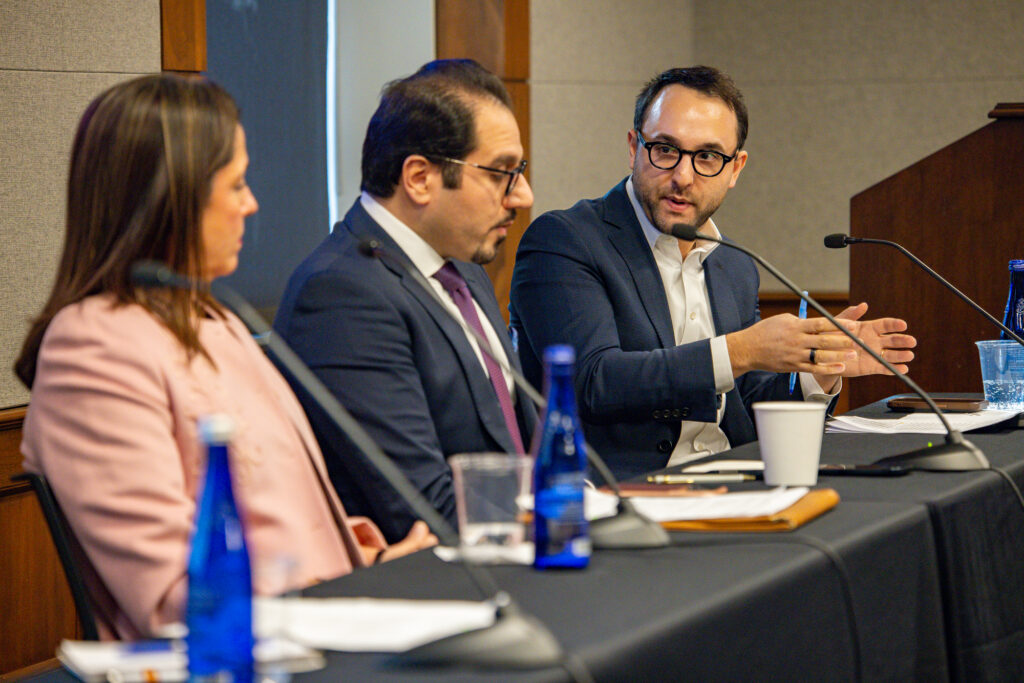
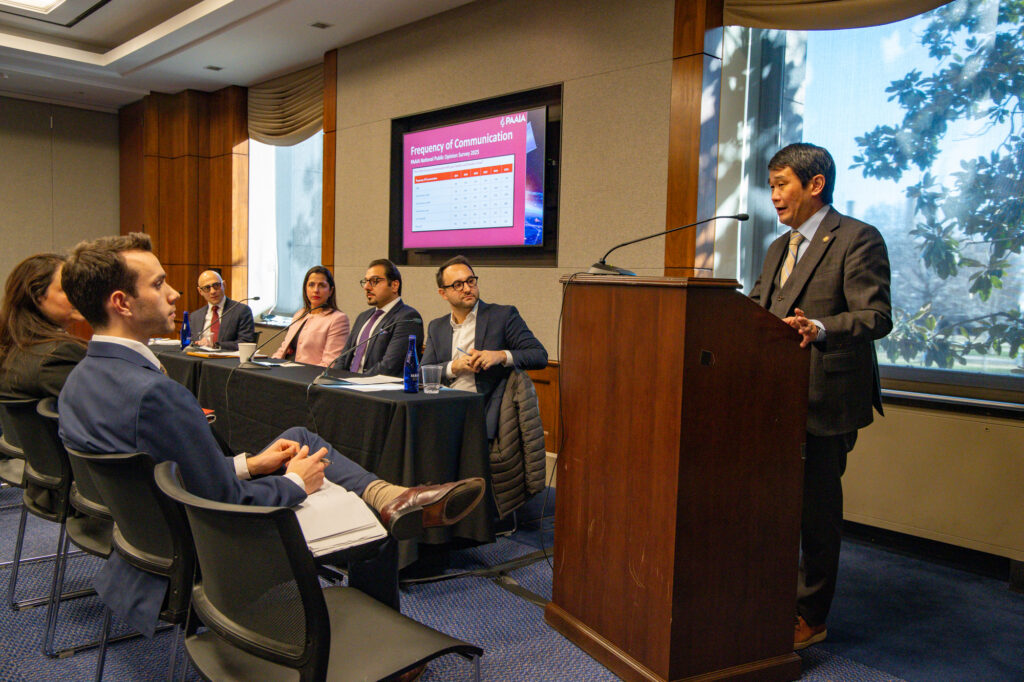
Against this urgent backdrop, on January 21, the Public Affairs Alliance of Iranian Americans (PAAIA) co-hosted a congressional briefing designed to answer one central question: Will the United States help ensure Iranians are never silenced again?
The discussion underscored a simple truth: open, secure, uncensored access to information is foundational to human rights.
What the Data Shows: A Community Cut Off
Each year, PAAIA’s national survey captures how Iranian Americans experience events both in and outside of Iran. The 2025 results reveal a stark and worsening crisis. Rather than listing numbers, the data tells a story of harm:
- Nearly 9 in 10 Iranian Americans (88%) have immediate personal stakes, with family living in Iran.
- Nearly three-quarters (73%) report that regime-imposed restrictions have damaged their ability to communicate with loved ones.
- Weekly communication has collapsed, falling from 46% in 2023–24 to just 23% in 2025.
This reveals a collapse in connection. A community that once checked in weekly with parents, siblings, and children is now often plunged into silence for days or weeks at a time.
During the 2025–2026 protests, entire regions experienced multi-day blackouts. Protesters reported that messages would not be sent for hours. Videos documenting violence were trapped on phones, unable to reach global audiences. In some cities, families went three or more days without knowing whether their loved ones were safe.
When a nation is silenced, it becomes a breeding ground for unchecked repression.
Inside the Briefing: Technology, Human Rights & the Future of Connectivity
The Panel
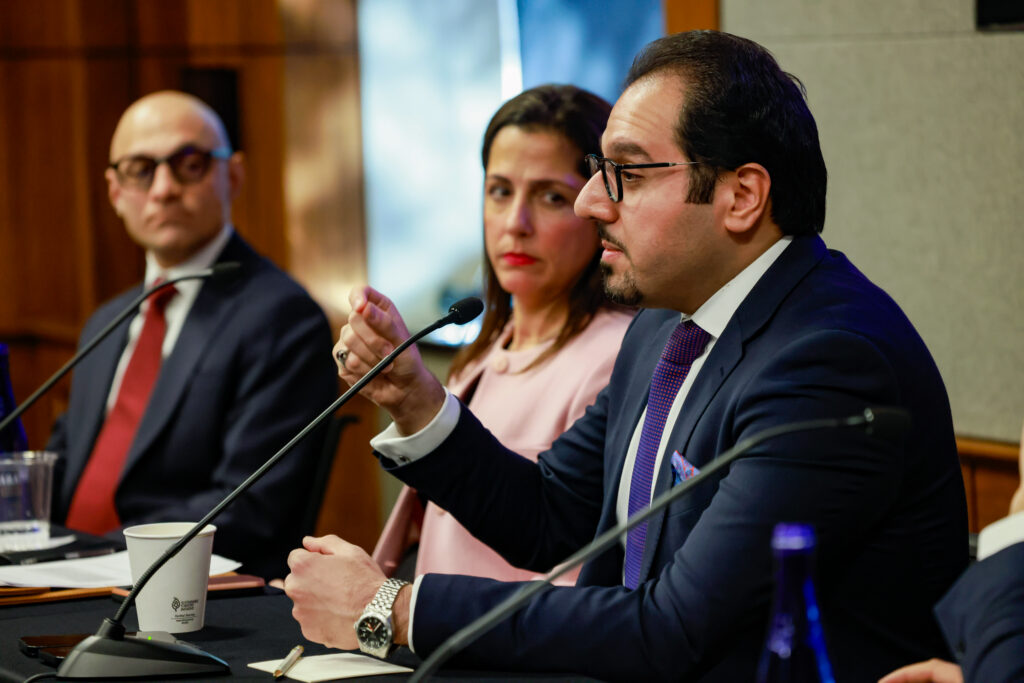
Moderated by Nick Stewart, Foundation for Defense of Democracies (FDD), the panel featured:
- Dr. Neda Bolourchi, Executive Director of PAAIA
- Ali Tehrani, Psiphon
- Behnam Ben Taleblu, FDD
Together, they examined how authoritarian censorship works, and how Congress can help defeat it.
A New Generation of Protesters
Dr. Bolourchi emphasized that today’s youth-led movement is unlike any before it:
“This movement is different because of the fuller social dimensions encapsulated and because it is led by a generation that is more connected, more technologically empowered, and more determined than ever to ensure their voices are heard beyond Iran’s borders.”
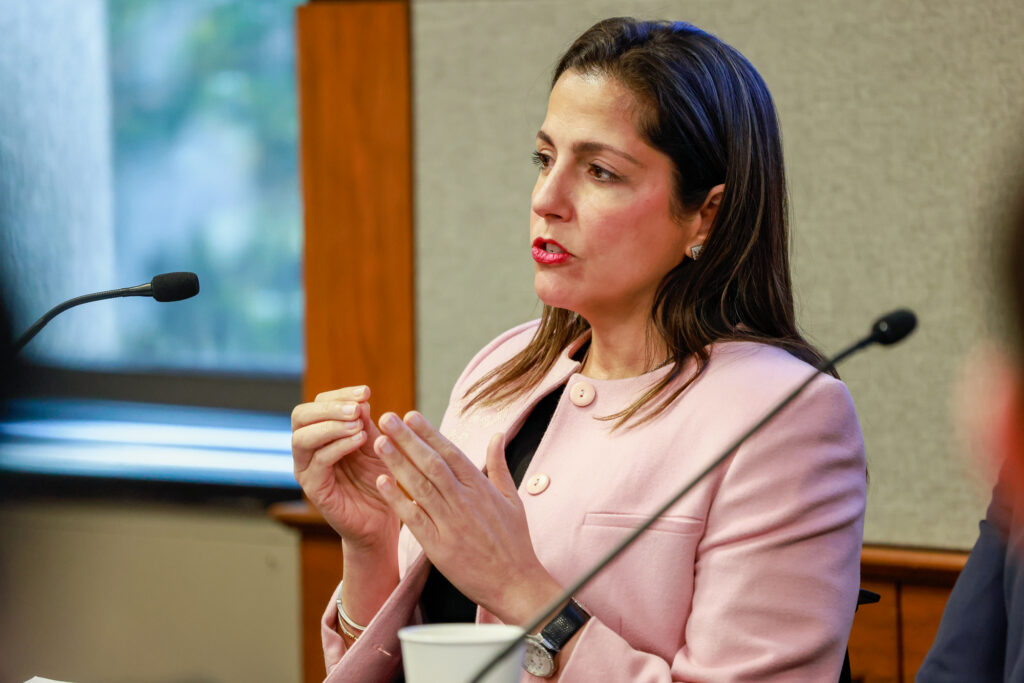
She stressed that secure and reliable connectivity is not optional. It is required for:
- organizing safely
- documenting state violence
- countering disinformation
- ensuring Iranian voices reach the world
Blackouts have become predictable weapons of censorship, and the U.S. must ensure they fail.
Technology as a Tool for Resistance
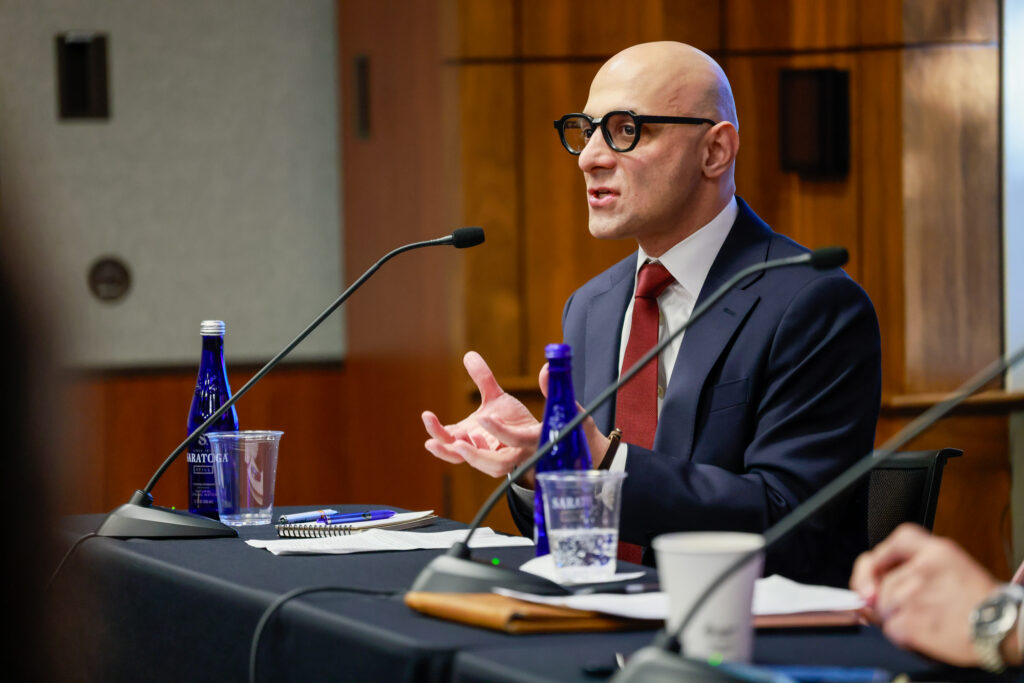
Ali Tehrani highlighted advances in VPNs, open-source platforms, and emerging direct-to-satellite tools that can pierce censorship. He explained how the FREEDOM Act would lift legal barriers and fund technology that helps Iranians stay connected despite regime interference.
Survey data reinforces this urgency:
13% of respondents named expanding internet access in Iran as the single most important U.S. action, and another 22% prioritized stronger support for human rights defenders.
A Strategic and Moral Imperative
Behnam Ben Taleblu emphasized that safeguarding an open internet advances both humanitarian principles and U.S. strategic interests, strengthening democratic movements and weakening authoritarian control.
Congress Responds: What the FREEDOM Act Would Do
Rep. Dave Min (D-CA), a House co-sponsor, underscored the urgency of countering the regime’s censorship machine:
“The hope is that this particular bill will help lay the groundwork for promoting freedom, promoting access to objective information, and maybe in its way helping those who are seeking freedom in Iran.”
What readers need to know:
The bipartisan FREEDOM Act directs the federal government to assess and advance satellite-based technologies capable of bypassing Iran’s censorship architecture. The bill has support in both chambers and awaits further committee action, a key indicator that Congress understands the stakes.
But understanding is not the same as urgency. Congress has not yet delivered the appropriations required to prevent Iran’s next blackout—a failure that has already had predictable, devastating consequences.
The briefing made one thing clear: Congress understands the stakes. The question now is whether understanding will translate into action.
What Congress Must Do Next
- Advance the FREEDOM Act and ensure funding for connectivity tools.
- Align with complementary efforts like the IRAN Act, which strengthens accountability and human rights protections.
- Prioritize secure communication access as a central pillar of U.S. policy toward Iran.
The path is there. The need is urgent. The question—again—is whether Congress will act in time.
What You Can Do (Right Now)
Democracy is not a spectator sport. Specific actions drive impact:
- Call your House Representative and Senators and urge them to co-sponsor the FREEDOM Act.
- Share the briefing with your networks to raise awareness.
- Support and get involved with organizations expanding secure connectivity tools for Iranians.
- Stay informed and encourage others to follow legislative updates.